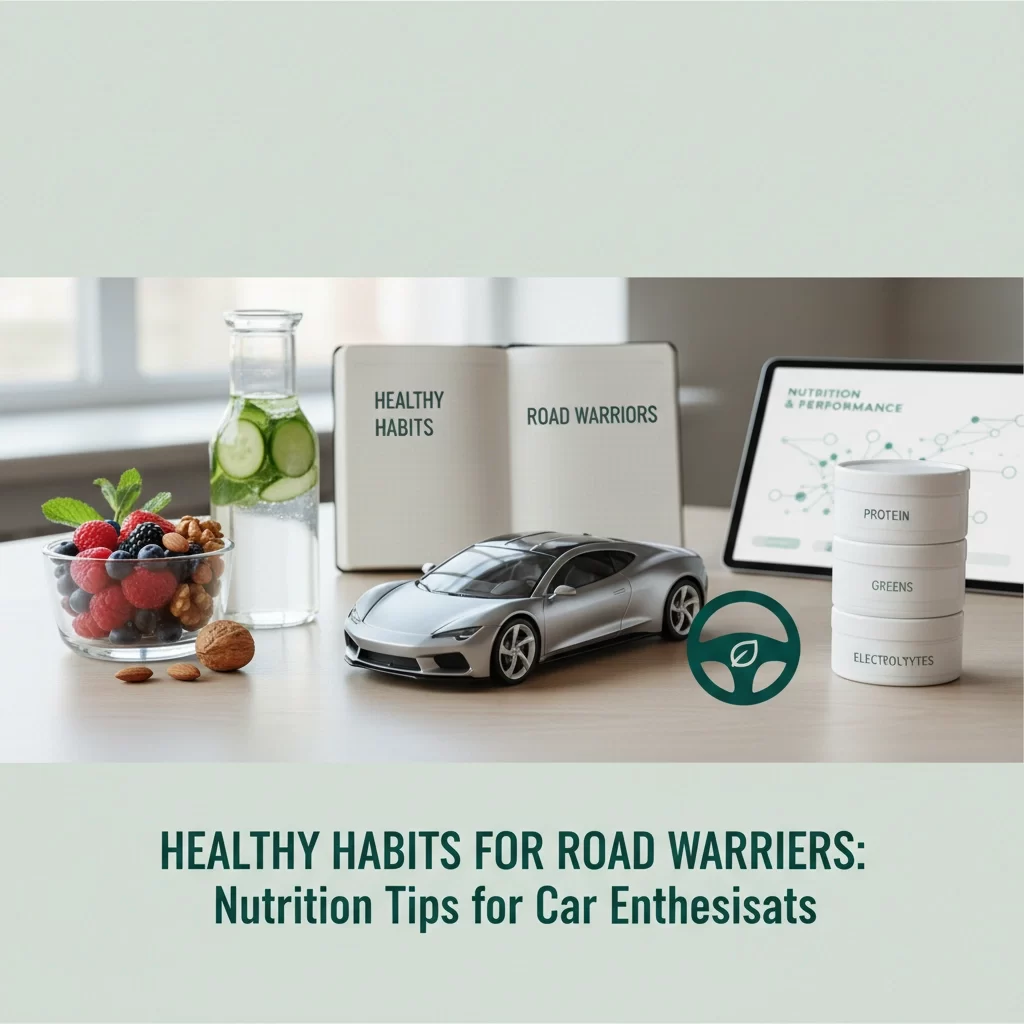
Are you tired of feeling sluggish halfway through that epic road trip to Tail of the Dragon? Do you find yourself reaching for another energy drink during those long drives to weekend track events? If you’re a car enthusiast who spends serious time behind the wheel, your nutrition strategy can make or break your driving experience.
Whether you’re cruising to Cars and Coffee, hitting a multi-day rally, or embarking on that cross-country adventure you’ve been planning, what you eat directly impacts your alertness, reaction time, and overall enjoyment of the journey. Let’s dive into how you can fuel your body as efficiently as you fuel your ride.
Pre-Trip Meal Planning: Your First Pit Stop Strategy
Planning your nutrition before you even turn the key is just as important as checking your tire pressure and oil levels. The difference between a successful road trip and one filled with fatigue and poor decisions often comes down to preparation.
Start by researching your route’s food landscape. Use apps like Google Maps or Yelp to identify quality restaurants, grocery stores, and even local farmers’ markets along your planned stops. This reconnaissance prevents the dreaded “gas station hot dog” scenario that leaves you feeling terrible for hours.
When booking accommodations, prioritize places with kitchen facilities. Even a basic kitchenette with a refrigerator gives you tremendous control over your nutrition. Stock it with fresh fruits, vegetables, Greek yogurt, lean proteins, and whole grain options. Think of it as your mobile nutrition base camp.

The Driver’s Breakfast: Starting Strong
Your first meal sets the tone for everything that follows. Unlike your normal routine at home, breakfast becomes your most controllable meal when traveling. Make it count.
Focus on building a breakfast around lean proteins and healthy fats while avoiding the typical hotel breakfast trap of pastries and sugary cereals. Hard-boiled eggs, Greek yogurt, avocado, and fresh fruit create a foundation that will keep your blood sugar stable for hours. If you’re staying somewhere without breakfast options, pack overnight oats or protein bars that don’t require refrigeration.
Here’s why this matters: A protein-rich breakfast helps maintain steady energy levels and prevents the mid-morning crash that has you reaching for whatever’s available at the next rest stop. Your brain needs consistent fuel to maintain the focus required for safe, enjoyable driving.
Smart Choices at Rest Stops and Restaurants
Not every meal can be perfectly planned, but you can still make intelligent choices even when your options seem limited. The key is knowing what to look for and having backup strategies.
At restaurants, prioritize grilled over fried options every time. Choose salads with lean protein and ask for dressing on the side. Request steamed or grilled vegetables instead of fries, and don’t be afraid to ask for substitutions. Most places are surprisingly accommodating when you explain you’re on a long road trip and want to maintain your energy.
Gas station and truck stop navigation requires a different approach. Look for options like nuts, beef jerky (check the sodium content), fresh fruit, and string cheese. Many modern travel centers now stock Greek yogurt, hard-boiled eggs, and even pre-made salads. The key is shopping the perimeter where fresher options typically live, not the center aisles filled with processed snacks.
Strategic Snacking for Long Drives
The right snacks can be the difference between arriving at your destination energized or completely drained. Your body needs consistent fuel during extended driving sessions, but choosing the wrong snacks can actually make you more tired.
Power snacks for drivers include:
- Mixed nuts and seeds for sustained energy
- Apple slices with natural peanut butter
- Vegetable sticks with hummus
- Greek yogurt with berries
- Hard-boiled eggs
- Homemade trail mix (skip the candy-heavy versions)
Prepare these snacks in individual portions before your trip. This prevents mindless overeating and ensures you always have something healthy within reach. Keep a small cooler in your passenger area stocked with perishable options, and store shelf-stable snacks in your glove compartment or door pockets.

Hydration: Your Engine’s Cooling System
Just as your car needs proper coolant circulation, your body requires consistent hydration to function optimally. This becomes even more critical during long drives where you’re sitting for extended periods and potentially dealing with road stress.
Keep a large water bottle within easy reach and sip consistently throughout your drive. Don’t wait until you feel thirsty: by then, you’re already behind. Proper hydration supports mental clarity, reaction time, and helps prevent driver fatigue.
Avoid the temptation of excessive caffeine or energy drinks. While a morning coffee is fine, relying on stimulants creates an energy roller coaster that ultimately leaves you more tired. If you need an afternoon pick-me-up, try green tea, which provides gentler, more sustained energy.
Consider electrolyte supplements if you’re driving in hot weather or sweating more than usual. Products like Nuun tablets or coconut water can help maintain proper electrolyte balance without the sugar crash of sports drinks.
Combating Driver Fatigue Through Nutrition
Driver fatigue contributes to roughly 20% of vehicle collisions, making this more than just a comfort issue: it’s a safety concern. Your nutrition choices directly impact your alertness and reaction time behind the wheel.
Avoid these energy killers:
- Large, heavy meals that trigger drowsiness
- Sugary snacks that cause blood sugar spikes and crashes
- Excessive simple carbohydrates without protein or fat
- Dehydration from inadequate fluid intake
Instead, focus on smaller, more frequent meals that combine protein, healthy fats, and complex carbohydrates. This combination provides steady energy without the peaks and valleys that lead to fatigue.

The Supplement Strategy for Road Warriors
While whole foods should always be your primary focus, certain supplements can fill nutritional gaps when your food choices become limited on the road.
Protein powder serves as an excellent backup option. When quality protein sources are scarce or expensive, a good protein powder can help you meet your daily needs. Mix it with water or add it to oatmeal for a nutrition boost.
A high-quality multivitamin helps cover your bases when your vegetable and fruit intake inevitably drops below optimal levels. Look for one that includes vitamin D, as reduced sun exposure during long drives can impact your levels.
Probiotics support digestion and immune function when you’re eating unfamiliar foods and interacting with new environments. This is especially valuable during multi-day trips where digestive upset could derail your plans.
Practical Implementation: Making It Happen
The best nutrition plan is worthless if you don’t actually follow it. Here’s how to make these strategies stick during real-world driving adventures.
Pack a dedicated food bag or cooler that’s separate from your regular luggage. This keeps your healthy options easily accessible and prevents them from getting buried under clothes and gear.
Set eating reminders on your phone for long drives. It’s easy to get caught up in the driving experience and forget to eat until you’re starving and making poor choices.
Plan your stops around meal timing rather than just gas needs. If you know you’ll need lunch around noon, research and plan to stop somewhere with good options rather than just pulling off wherever you happen to be.
Share the responsibility if you’re traveling with others. Take turns being the “nutrition navigator” who researches stops and keeps healthy snacks available.
Remember, maintaining good nutrition on the road isn’t about perfection: it’s about making consistently better choices that support your energy, focus, and enjoyment of the driving experience. Your body is the most important component in your automotive adventures. Treat it with the same care and attention you give your prized ride, and both will serve you better for years to come.
The road ahead is calling, and now you’re equipped to answer with both your car and your body running at peak performance. Safe travels, and fuel up wisely.