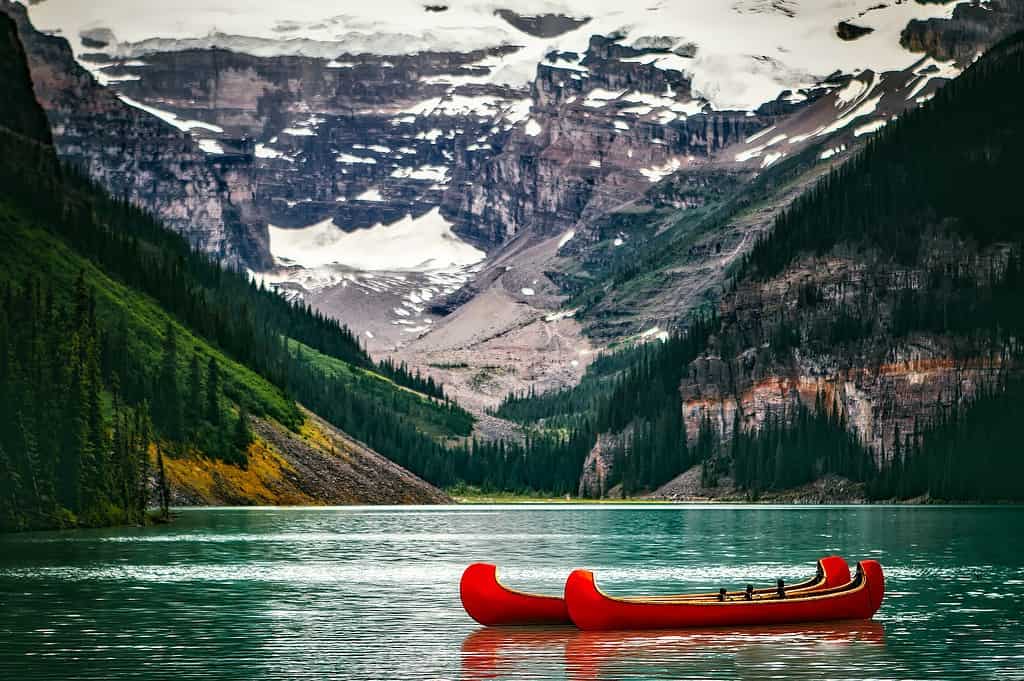
Canoes have been around for as long civilization itself. Native Americans were said to be one of the first people who used them, using tree trunks and sap or root cordage in order build their primitive boats that would later come names such as “dugouts.” Canoes were such an important part of their lives that some tribes would even build their homes on top of them, using them as a means of transportation as well as shelter.
Canoes were originally designed for transportation and hunting. They would be used to travel from one place to another, as well as to transport goods and supplies. Canoes were also used to hunt animals, as they allowed for a silent and stealthy approach. Native Americans would often use canoes to fish, as well as to travel to different hunting grounds.
Canoes are still used today for many of the same purposes as they were in the past. They are popular for recreation, such as fishing, camping, and even racing. Canoes are also still used for transportation in many parts of the world. In some places, they are the only means of transportation available. Canoes are also used in the military and for search and rescue operations.
Canoes are typically small, narrow vessels that are open at the top. They are propelled by paddles and are designed to seat one or two people. Canoes are often made from wood,but can also be made from other materials such as fiberglass or aluminum.
The word “canoe” comes from the Carib word “kenu,” meaning “dugout.” and their overall design has changed very little over the years. They can still be made out of wood and are still propelled by paddles. However modern canoes are often made out of lighter materials such as aluminum or fiberglass, which makes them easier to maneuver and faster.

They come in a variety of sizes, from the small one-person canoe to the large eight-person canoe. No matter what size they are, canoes are designed to be lightweight and easy to maneuver on the water. This is because it is a human-operated miniature boat that requires a person to exert extra effort in paddling to travel using the canoe. Unlike rowing, paddling requires the paddlers to look towards the course of travel. Paddlers are propped up on either side of the hull. Rowing, on the other hand, requires the rowers to face on the opposite direction of the course of travel.
Canoes can offer a great deal of entertaining and relaxing time with your family. Best of all, you can even get close to nature by paddling through the tranquil waters of the area and observe the wilderness on its natural state. As much as canoes seem to be the easiest water equipment in the world, buying them may not be so simple. Remember, canoes may give you various benefits depending on their particular functions. For instance, an aluminum canoe may be more durable than canvas canoe. Therefore, aluminum canoes are better suited for rough water adventures.
Given all that, it is imperative that you know how to choose the kind of canoe that will best work for you. Go after these principles in buying canoes to find out that type works best for you.
How will you use your canoe?
Before canoes were primarily made and used as a means of transportation. Today canoes are typically classified according to the way people want to make use of them. There are canoes designed for recreation, fishing, racing and even overnight camping trips. It would be very difficult to choose the right canoe if you do not know what you plan to use it for.
For this reason, buying a canoe can be very tricky. If you are not yet sure why you want to buy a canoe, it is best to wait and save your money for when you are certain.
If you are planning on using the canoe for fishing, it is important that you buy one that is stable and can hold a lot of weight. On the other hand, if you want to use it for recreation, such as racing or paddling through calm waters, then you will want a canoe that is lightweight and easy to maneuver.
There are also canoes designed for specific types of water, such as flat water or whitewater. Canoes that are designed for flat water are usually wider and more stable, while those designed for whitewater are narrower and more agile. It is important that you choose a canoe that is designed for the type of water you will be using it in.
There are also canoes that are designed for solo paddlers or tandem paddlers. Solo paddling canoes are usually narrower and easier to maneuver, while tandem paddling canoes are wider and more stable. If you plan on paddling alone, then a solo paddling canoe would be the better choice. However, if you want to paddle with someone else, then a tandem paddling canoe would be the better option. If you want a canoe just for recreation such as paddling around a lake with your family, then any type of canoe would work.
Many different choices for sizes, shapes, and length
The size and shape of a canoe can also affect its performance. For instance, a long and narrow canoe will be faster in the water but will be more difficult to maneuver. A short and wide canoe will be slower in the water but will be easier to maneuver. The length of a canoe also affects its speed and maneuverability. A shorter canoe will be easier to maneuver but will be slower in the water, while a longer canoe will be faster in the water but will be more difficult to maneuver.
The best way to determine the right size and shape of canoe for you is to try them out. Many stores that sell canoes offer demo days where you can take a canoe out on the water and try it out. This is a great way to see how a canoe handles and to see if it is the right size and shape for you.
When you are trying out a canoe, pay attention to how stable it feels in the water. A stable canoe will be less likely to tip over, while an unstable canoe will be more likely to tip over. You should also pay attention to how the canoe tracks in the water. A good tracking canoe will go in a straight line, while a poor tracking canoe will wander off course.
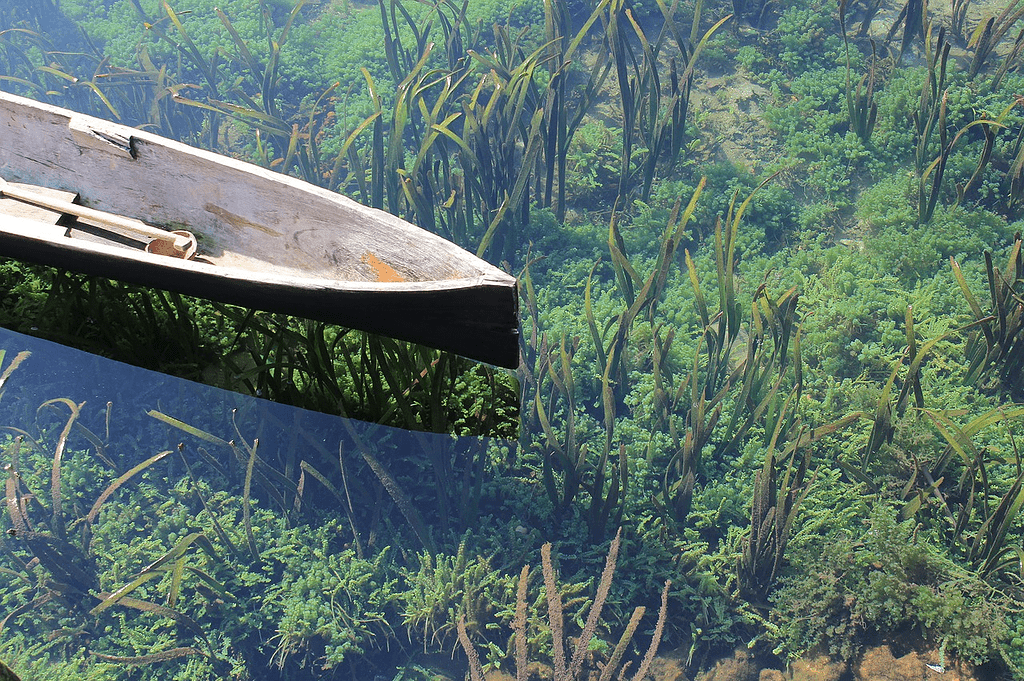
Finally, pay attention to the weight of the canoe. A heavy canoe will be more difficult to maneuver but will be more stable in the water, while a lightweight canoe will be easier to maneuver but will be less stable in the water.
Skip the keel on a canoe
A canoe with a keel is not a true canoe. A keel is a fin that is attached to the bottom of the canoe and extends along the length of the hull. Keels are typically found on boats, such as sailboats, but not on canoes. Canoes are designed to be paddled, not sailed, so they do not need a keel.
A canoe with a keel will be more difficult to paddle and will not perform as well as a true canoe. A keel will also reduce the canoes capability to speedily maneuver and stay away from barriers or hurdles.
Advertised load amounts often inaccurate
The load capacity of a canoe is how much weight the canoe can safely carry. The load capacity is usually listed in the specs for the canoe. However, you should not necessarily believe the load capacity that is listed.
The load capacity of a canoe depends on several factors, such as the type of hull, the length of the canoe, and the width of the canoe. A short and wide canoe will have a higher load capacity than a long and narrow canoe. A canoe with a flat bottom hull will have a higher load capacity than a canoe with a rounded bottom hull.
The best way to determine the true load capacity of a canoe is to ask the person who made the canoe. The manufacturer will know the true load capacity of the canoe and can give you a more accurate number.
When loading a canoe, always put the heaviest items in the middle of the canoe. This will help to keep the canoe balanced and prevent it from tipping over.
What depth canoe is best?
The depth of a canoe is how deep the canoe is from the top of the hull to the bottom of the hull. Depth can affect its performance in several ways but the usual and ideal depth for a typical canoe is 12 inches, that is, for the simplest form of a canoe. Of course, depth may still vary depending on the desires of the users.
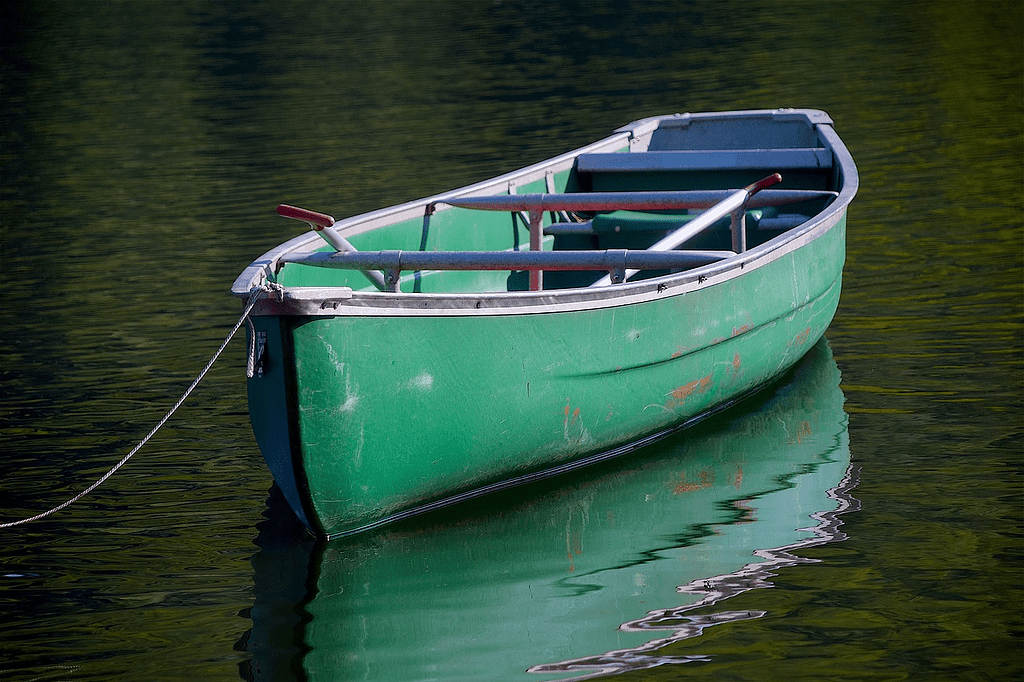
A shallow canoe will be easier to paddle but will be less stable in the water. A deep canoe will be more difficult to paddle but will be more stable in the water.
The depth of a canoe also affects how much weight it can safely carry. A shallow canoe will have a lower load capacity than a deep canoe.
When choosing a canoe, think about how you will be using it and what you need it to do. If you need a stable canoe that can carry a lot of weight, choose a deep canoe. If you need an agile canoe that is easy to paddle, choose a shallow canoe.
What is the canoe made of?
The hull of a canoe is the outer shell that encases the inner structure of the canoe. The hull is typically made from fiberglass, aluminum, or plastic.
The type of material that the hull is made from will affect the weight, durability, and cost of the canoe. Fiberglass is the heaviest material and is also the most durable. Aluminum is lighter than fiberglass but is not as durable. Plastic is the lightest material but is also the least durable.
When choosing a canoe, think about how you will be using it and what you need it to do. If you need a durable canoe that can withstand being banged around, choose a hull made from fiberglass. If you need a lightweight canoe that is easy to carry, choose a hull made from aluminum. If you need an inexpensive canoe that you will not be using frequently, choose a hull made from plastic.
The bottom line is that there is no one perfect canoe. It all depends on your individual needs and preferences. Talk to a canoe dealer or manufacturer to find the best canoe for you but most of all have fun and be safe in the great outdoors!